
Most people judge a pillow in about ten seconds.
You pick it up. You squeeze it. It feels soft. You think, “Yep. Nice pillow.”
That is a terrible test.
A lot of pillows feel good when they’re freshly fluffed and nobody has slept on them yet. You can make almost any pillow feel good for ten seconds. The real questions start later, once the shape you bought stops being the shape you’re sleeping on.
Does your head disappear into it? Does it push back too much? Does it trap heat? Does it hold its shape through the night, or are you folding it, flipping it and punching it back into shape at 2 AM?
That’s where the filling matters. The logo on the tag tells you very little about any of it.
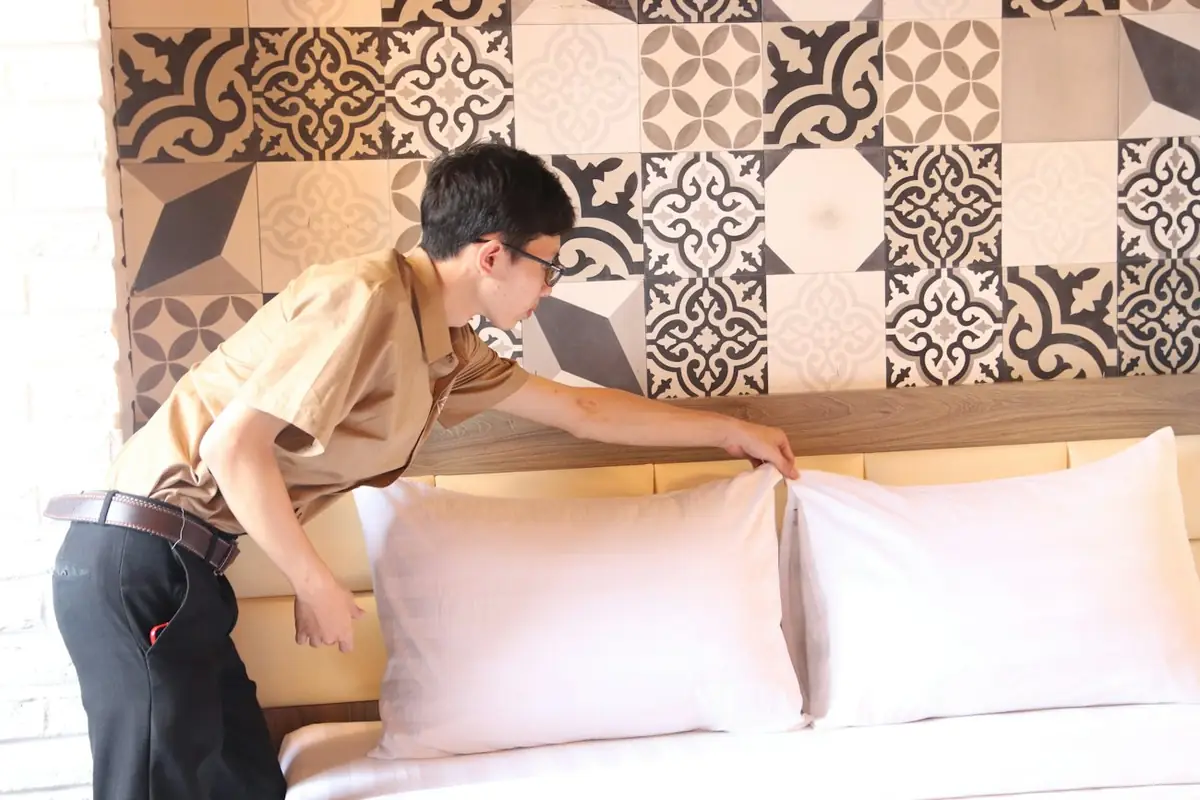
“The outside can make a pillow look expensive. The filling decides how it actually behaves.”
— RALPH MADDOCK
Here’s what I actually care about
You won’t find a score out of ten here. A number like 9.2 looks precise, but it rarely tells you what a pillow actually does. So I stuck to plain questions.
- Plushness. How soft is the surface when your head first lands on it?
- Support. Once your head sinks in, is there still something underneath it?
- Recovery. Does it hold its loft, and how much help does it need to get it back?
- Practicality. Noise, smell, weight and heat. The stuff you only notice in bed.
- Durability. How the material tends to hold up over months of use.
- Maintenance. Fluffing, washing, and how fussy it is about both.
- Price tendency. Where the fill usually sits in the market. Not a specific price tag.
- Overall value. What your money actually buys.
Then there’s the bigger question: would this make sense as a broadly appealing hotel pillow? That’s the brief I care about. A hotel bed has to work for whoever checks in tonight, and most people shopping for a “hotel pillow” want that same feeling at home.
One more thing. The material facts below come from published research and manufacturer guidance, and they’re numbered so you can check them. The opinions are mine. I’ll keep the two apart.
01 / 90% DOWN · 10% FEATHER
90/10 sounds like the obvious winner. That’s the problem.
A big down number on the tag does a lot of selling on its own.
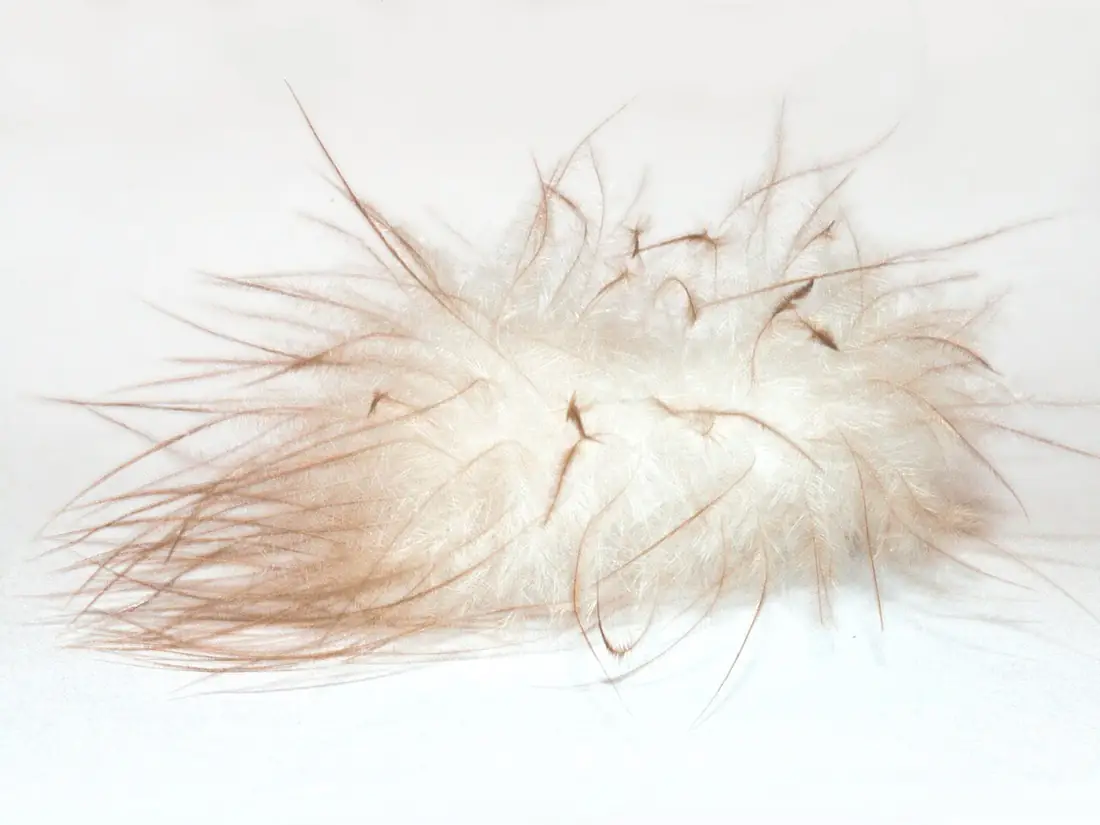
Here’s why it sounds so good. Down isn’t really a feather. It’s the soft cluster that grows underneath a bird’s outer feathers, a three-dimensional puff with no quill in it.2 Feathers are flat and do have quills. One hospitality bedding maker sums it up as feathers being firmer and heavier, and down being softer and springier.4 So a 90/10 pillow is almost all soft stuff, with a small amount of structure mixed in.
And it feels great. It’s light, it squashes down easily, and your head sinks in the way people imagine a luxury pillow should. Published guidance describes down as molding to your head and neck, and notes that when it does go flat, a quick fluff brings the loft back.1
But that isn’t the whole story. With only 10% feather, there isn’t much in there pushing back. If you like your head to sink and stay low, nothing wrong with that. If you want plushness and some body underneath it, you’re relying on the pillow being stuffed full to create support the fill itself doesn’t bring much of.
I don’t care how impressive the percentage looks on the tag. I care what that percentage does when your head is on it.
RALPH’S TAKE
- Best at
- Light, plush softness with a strong luxury feel.
- Main trade-off
- Less built-in structure than feather-heavier blends, so it compresses a lot under your head.
- Price tendency
- Mid-Premium
- Who I’d buy it for
- Anyone who wants a soft, sink-in pillow and doesn’t mind paying for down.
02 / 50% DOWN · 50% FEATHER
50/50 doesn’t win the softness contest. It isn’t trying to.
Down gives you softness. Feather gives that softness more structure.
This is the blend I kept coming back to, so I’ll say that now and explain why further down.
Half the fill is down clusters, which give you the plush surface. Half is feather, which the down and feather industry itself describes as the part that provides support.2 Blends like this are common in hotel bedding. DOWNLITE, a hospitality bedding manufacturer, sells a 50/50 hotel pillow and describes the ratio as “not too squishy but also not too firm.”45
Here’s what that means in bed. Your head sinks into the surface, but there is still something underneath it. You can scrunch it, fold it or push it into shape for reading, and it tends to hold that shape better than a down-heavy pillow. It’s the feel most people are describing when they talk about a hotel pillow. Full and soft, but not flat.
It still asks something of you. It’s a natural fill, so it needs a regular fluff like any down or feather pillow.1 The shell matters too. A feather quill is still a quill, and a loosely woven cover gives it more chance to work its way through. And if you want your head to sink all the way down, this isn’t your pillow.
RALPH’S TAKE
- Best at
- Plush on top with real body underneath. The broadest middle ground on this list.
- Main trade-off
- Needs regular fluffing, and the shell has to be tightly woven to keep the quills in.
- Price tendency
- Mid
- Who I’d buy it for
- Most people who want the classic full, soft hotel-pillow feel, especially if you change position during the night.
03 / POLYESTER “DOWN ALTERNATIVE”
Polyester makes a great first impression
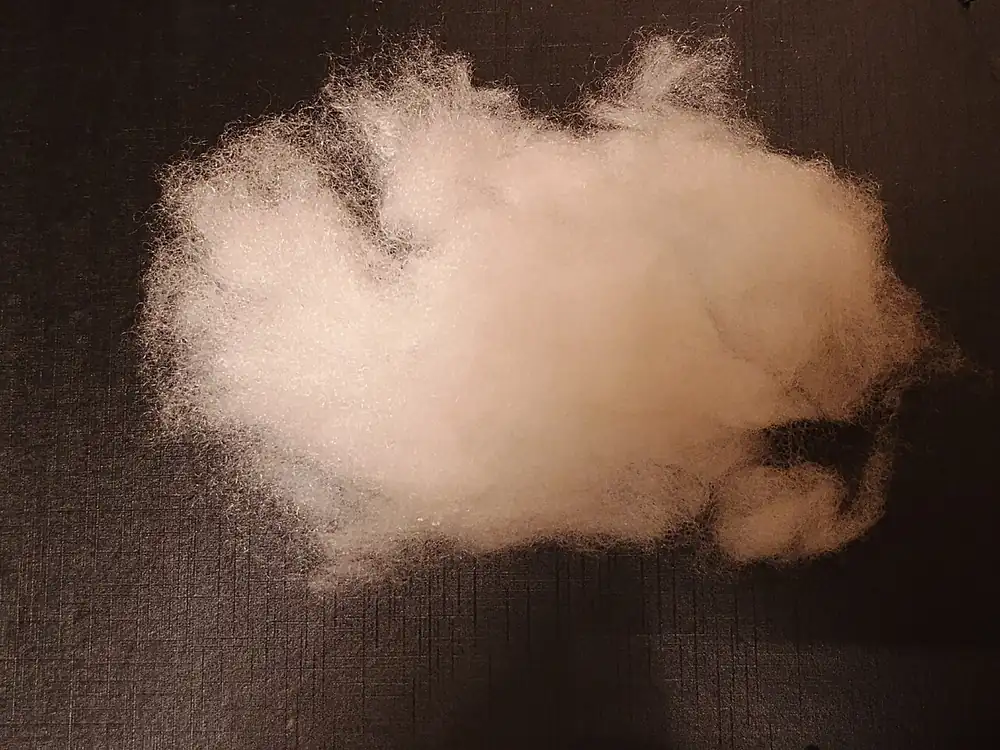
Brand new, a decent polyester pillow can feel almost as fluffy as down. I get why people like it.
It’s cheap to make, easy to find, and usually the least expensive pillow on the shelf. Sleep Foundation’s buying guide calls polyester the cheapest pillow type on the market, and most can go straight into the washing machine. It’s animal-free and hypoallergenic, which matters if down or feathers are off the table for you.6
Here’s where I start questioning the value. Polyester can feel great when it’s new. The problem starts when those fibers compress and clump with use. The same guide notes that the fill tends to shift and flatten under weight, often needs re-fluffing, and that polyester pillows have a below-average lifespan, usually replaced every one to two years.6
To be fair, quality varies a lot. Manufacturers make premium down-alternative fills that are designed to hold loft and support much better than the cheapest versions.3 But if the goal is recreating a substantial hotel pillow that still feels full months from now, polyester is the fill I’d trust least to get you there.
RALPH’S TAKE
- Best at
- Low upfront price, easy washing, no animal fill.
- Main trade-off
- The fibers tend to compress and clump, so the loft often doesn’t last as long as natural or specialty fills.
- Price tendency
- Low
- Who I’d buy it for
- Guest rooms, tight budgets, and anyone avoiding down and feather.
04 / 100% FEATHER
100% feather leans hard the other way
If all-down is about softness, all-feather is about structure.
Feathers have a quill running down the middle, and that quill is exactly why they give a pillow body.23 A feather pillow is firmer and heavier than a down pillow. You can mold it into a shape and it will mostly stay there. It’s also usually cheaper than anything with a high down content.13
The trade-offs come from that same quill. Sleep Foundation notes that feather pillows can poke, and that they’re more prone to noise and odor than down. They also tend to flatten and need extra fluffing to keep their loft.1 None of that makes it a bad pillow. It makes it a pillow with a noticeable character. You hear it. Sometimes you feel it.
It’s traditional and it’s useful. For the plush hotel brief, it’s just too far toward structure.

RALPH’S TAKE
- Best at
- Natural, moldable structure for less money than down.
- Main trade-off
- Less plush, and more likely to crunch, poke or smell.
- Price tendency
- Low-Mid
- Who I’d buy it for
- People who like to bunch and fold a firmer natural pillow and don’t need it to feel cloud-soft.
05 / 100% DOWN
100% down is the softness extreme
If you ask me for maximum softness, this is one of the strongest answers.
Pure down is light, very compressible and easy to mold. It has that sink-in feel people associate with luxury bedding, and with no quills there’s nothing to poke you.1 If softness is the whole brief, it’s hard to beat.
Turns out, softness and support pull in different directions. Sleep Foundation’s material overview describes down as one of the least supportive pillow materials, and it’s one of the more expensive fills.101
So here’s my issue. If you ask for softness plus structure plus a sensible price, the extra money buys you more of the thing down already had plenty of. It doesn’t buy you more support. That’s not a flaw in the material. It’s a mismatch with what most people want a hotel pillow to do.
RALPH’S TAKE
- Best at
- Maximum softness, light weight, no quills.
- Main trade-off
- Very little built-in structure, at a premium price.
- Price tendency
- Premium
- Who I’d buy it for
- Stomach sleepers and anyone who wants a pillow that almost disappears under them.
06 / MEMORY FOAM
Memory foam does one thing very well
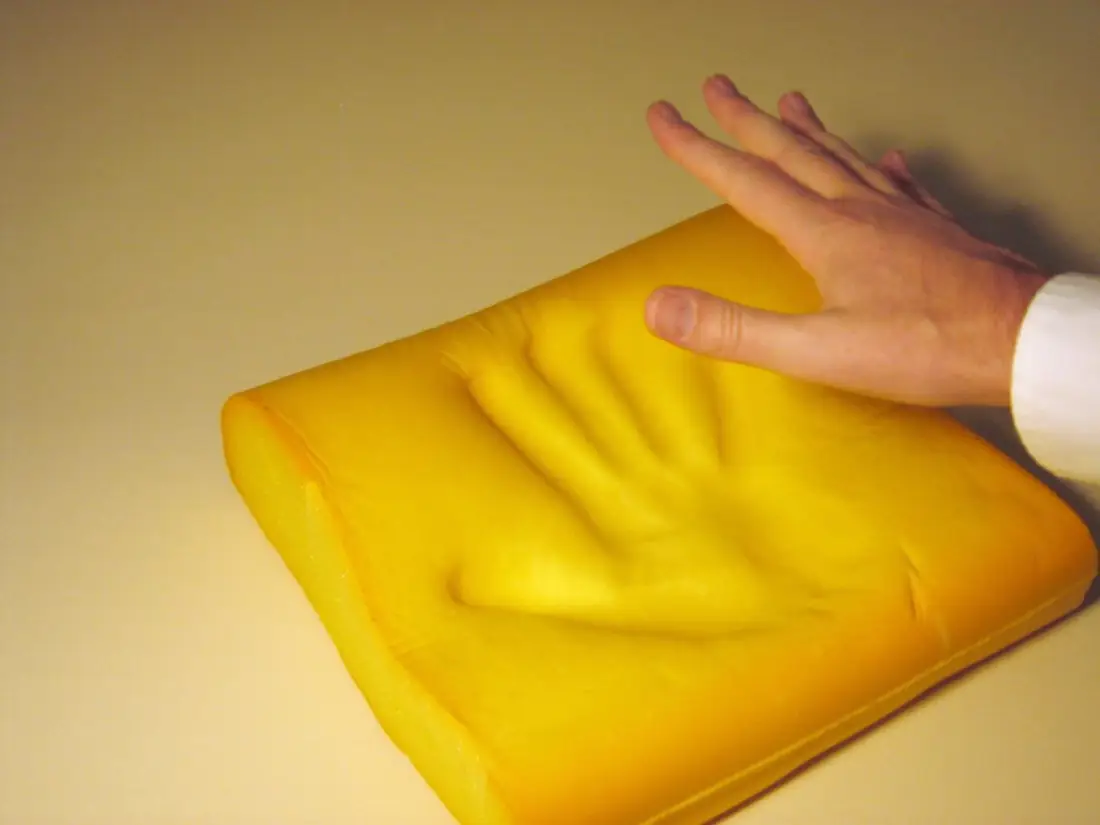
It contours. That’s the whole point of it.
Memory foam softens in response to heat and pressure and molds to the shape of your head and neck, which is why people buy it for pressure relief. It holds a stable shape, it’s close to silent, and a solid foam pillow never needs fluffing.7
The trade-offs come from the same material. It responds slowly, which some people describe as feeling a bit stuck when they turn over. Foam is known for holding heat, although plenty of products now add gel or other cooling features.710 New foam often has an off-gassing smell that usually fades within a few hours to a few days.8 And you can’t scrunch or fold a solid block. Shredded foam versions let you add or remove fill, which helps.7
None of that makes memory foam bad. It’s a very good choice if you specifically want memory foam. It just creates a very particular feel, and it’s not what most people picture when they think of sinking into a big hotel pillow.
RALPH’S TAKE
- Best at
- Contouring and spreading pressure evenly.
- Main trade-off
- Slow response, can run warm, and it can’t be shaped or fluffed like loose fill.
- Price tendency
- Mid
- Who I’d buy it for
- People who already know they like that cradled, contoured feel.
07 / BUCKWHEAT
Buckwheat is firm, adjustable and completely different
This one isn’t trying to be a hotel pillow. It’s trying to be a buckwheat pillow, and it’s good at that.
A buckwheat pillow is filled with the hard outer hulls of buckwheat seeds. Most are firm to very firm, and you set the height by adding or removing hulls. Air moves freely between the hulls, so it doesn’t trap body heat, and the hulls themselves are durable.9
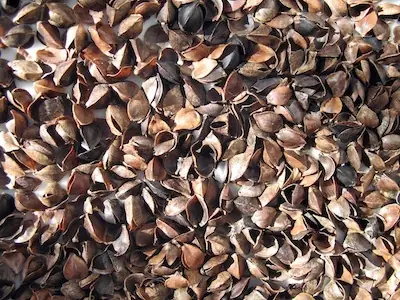
Now the other side. The hulls rustle every time you move. A new pillow often has an earthy smell for a few days, and to wash it you have to empty the hulls out first.9 It’s also a heavy pillow for its size. Nothing about it feels like down or feather.
For people who want what it does, it’s excellent. For someone chasing a soft, full, traditional hotel pillow, it’s a poor match.
RALPH’S TAKE
- Best at
- Firm, adjustable support and airflow.
- Main trade-off
- Noisy, heavy, very firm, and nothing like a soft pillow.
- Price tendency
- Mid
- Who I’d buy it for
- Hot sleepers and people who want firm support they can adjust.
THE SHORT VERSION
All seven fills, side by side
Every fill here wins something. The price column shows general tendencies, not quotes. Real prices move with brand, size and whether the down is duck or goose.3
| Filling | Feel | Structure | Main strength | Main compromise | Price tendency | Best for |
|---|---|---|---|---|---|---|
| 90% Down / 10% Feather | Very soft and light | Low | Plush, luxurious softness | Compresses a lot, less body underneath | Mid-Premium | Soft, sink-in pillow lovers |
| 50% Down / 50% Feather Balance pick | Plush surface, full body | Medium | Softness and support in one pillow | Needs regular fluffing | Mid | The classic hotel-pillow feel |
| Polyester Down Alternative | Fluffy when new | Low to medium, varies by quality | Low price, easy washing, animal-free | Can clump and flatten sooner | Low | Budgets, guest rooms, no animal fill |
| 100% Feather | Firmer, can crunch | High | Natural, moldable structure | Quills, noise, possible odor | Low-Mid | Firm, foldable pillow fans |
| 100% Down | Softest and lightest | Very low | Maximum softness | Least structure, premium price | Premium | Stomach sleepers, sink-in fans |
| Memory Foam | Dense, slow to contour | High, fixed shape | Contouring and pressure relief | Can run warm, slow response | Mid | People who want a cradled feel |
| Buckwheat | Very firm, grainy | Very high, adjustable | Airflow and adjustable height | Noisy, heavy, very firm | Mid | Hot sleepers who want firm support |
A QUICK WORD ABOUT HOTELS
Yes, hotels use memory foam. That isn’t the point.
You’ll sometimes read that hotels never use memory foam or buckwheat. That isn’t true. Plenty of high-end hotels run pillow menus. Post Ranch Inn in Big Sur lists buckwheat, gel memory foam and shredded memory foam alongside a feather and goose down pillow.11 The Hermitage Hotel in Nashville described a similar setup on its blog back in 2009: goose-down pillows on the bed as standard, with buckwheat, latex and memory foam available as options.12
Look at how that works, though. The specialty pillows are the ones you ask for.
That makes sense to me. A hotel doesn’t know who’s checking in tonight. It needs a default that works for as many people as possible, and anyone who wants something specific can order it. Memory foam and buckwheat make excellent specialty pillows because they create a very particular experience. Loose-fill down and feather make more sense as the broad default because you can shape them to suit you.
THE VERDICT
So which fill actually makes the most sense?
There’s no universally perfect pillow.
100% down wins softness. Memory foam wins contouring. Buckwheat wins firm adjustability and airflow. 100% feather gives you strong natural structure. Polyester wins on upfront price.
But that isn’t the question I’m trying to answer. I want hotel-style plushness, enough support underneath, broad appeal, a natural feel, practicality and a reasonable cost. All at once.
For that specific brief, 50% down and 50% feather is the balance I’d pick.
90/10 gets close, but it spends most of its fill on softness. 100% feather and buckwheat give you structure without the plush. Foam gives you support with a completely different feel. The 50/50 blend is the one that gets to soft and supportive without a big compromise on either side.
“The best pillow here wasn’t the one that won one category. It was the one that made the fewest compromises.”
— RALPH MADDOCK
THE DISCLOSURE PART
And yes, that’s what Suite Supply Co. uses
I know what you’re thinking.
This article is sponsored by Suite Supply Co., and now I’m telling you the Suite Supply pillow uses the blend I prefer. Fair question.
So here’s the useful part. You don’t have to take the recommendation on faith. Everything above about how these fills behave is cited, and you can check it. The preference for balance is mine, and you’re allowed to disagree with it. If you want maximum softness, buy 100% down. If you want contouring, buy memory foam. I’d rather you end up with the right pillow than the one in this article.

Suite Supply Co. supplies luxury hotels around the world and has worked with the hospitality industry for more than a decade. Its Signature Deluxe Suite Pillow uses an in-house 50% down and 50% feather fill called Suite-Engineered Down Fill.
The idea is simple. Down gives the pillow its plushness. Feather gives that softness more body underneath it.
Why I think it wins on cost vs. performance
This isn’t an argument that 50/50 is the cheapest. It isn’t. Polyester is cheaper. Plain feather is usually cheaper too. The question is what each fill does with your money.
Polyester costs the least to start with. But if the fibers compress and you end up replacing it sooner, the low price buys you less time.6
Pure down costs more because down is the expensive part. That extra cost buys more softness. It doesn’t buy more support.110
90/10 puts most of your money into down. Great plushness, less balance if structure matters to you.
Memory foam and buckwheat are good value if you specifically want contouring or very firm, adjustable support. They’re poor value if you don’t.
50/50 uses the expensive down where its softness matters, on the surface you feel. It uses feather where structure matters, underneath. You’re not paying purely for the highest possible down percentage. You’re paying for the combination I think makes the most sense for the classic hotel pillow.
I’d rather pay for balance than pay for a bigger number on the tag.
You can spend more. You can spend less. I care about what the extra money actually changes.
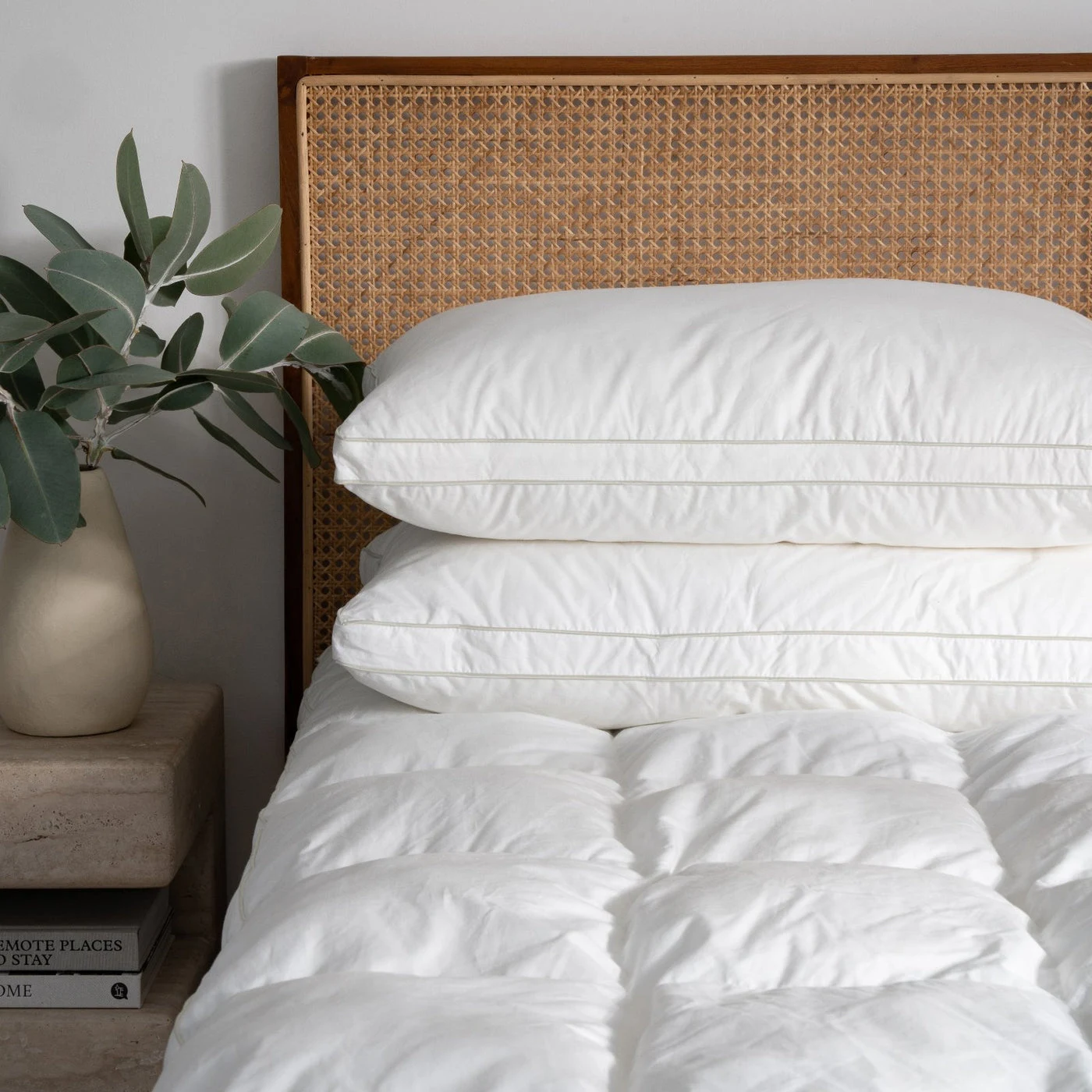
MY FINAL PICK · BEST OVERALL BALANCE
Suite Supply Co. Signature Deluxe Suite Pillow
- 50% Down + 50% Feather
- Suite-Engineered Down Fill
- Full, substantial hotel-style feel
- OEKO-TEX Standard 100 Certified
- 100-Night Suite Sleep Guarantee
You can find something softer. You can find something firmer. You can find something cheaper. You can definitely find something more expensive.
For the balance I’m looking for, I haven’t found a good reason to pay more.
SEE THE SIGNATURE DELUXE SUITE PILLOW →The part I like about the guarantee
Pillow preference is personal. Research can explain how materials behave. I can explain which trade-offs make sense to me. Neither of us can tell you exactly how a pillow will feel in your own bed.
That’s why the 100-Night Suite Sleep Guarantee matters more to me than any adjective on the box.
Try it in your room, on your mattress, in the position you actually sleep in. Give it weeks, not ten seconds. Then decide.
THIS WEEK’S OFFER
Buy 1 Signature Deluxe Suite Pillow. Get the second one free.
One for you. One for the other side. Or replace the two old pillows you’ve been pretending are still fine.
BUY 1, GET 1 FREE →One week onlyLimited stock100-Night Suite Sleep Guarantee
Suite Supply Co. has sold out several times this year.
REVIEWS
What customers say after they actually sleep on it
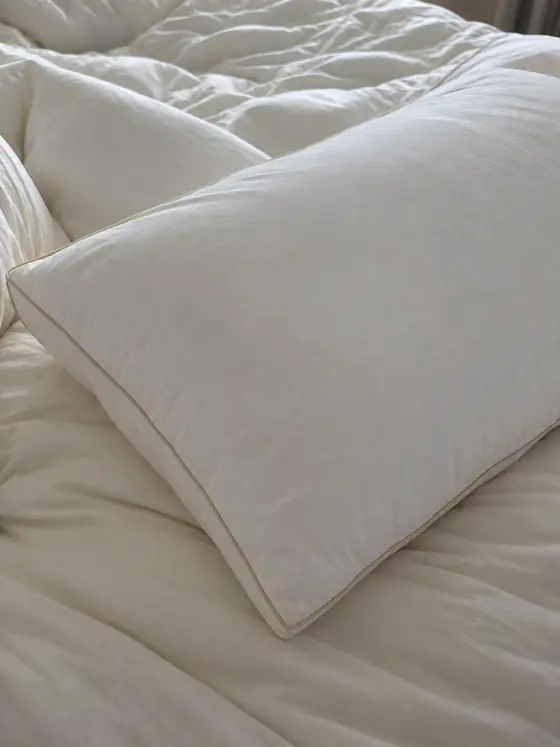
had this pillow for a little over a year now and it's still nicely plump. considering how often i used to replace flat pillows, this one feels like really good value.
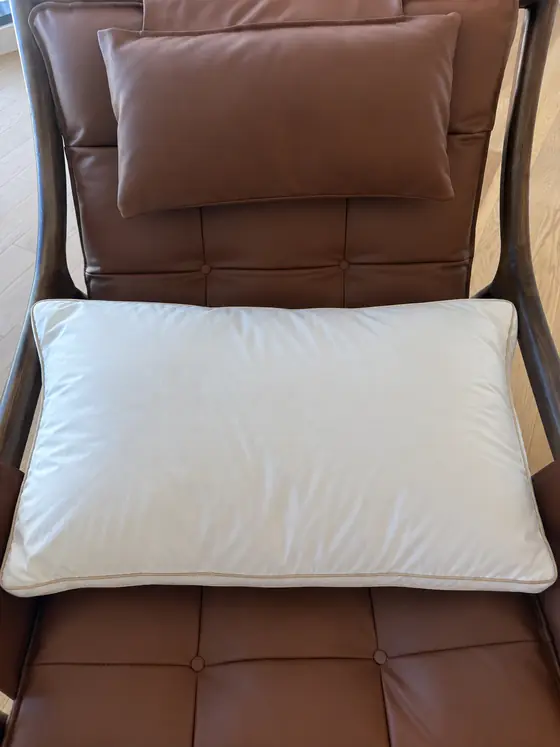
The pillows are soft enough to sink into a little, but there's still something underneath holding my head up. Our dog has claimed the space between them, so apparently I'm not the only fan.
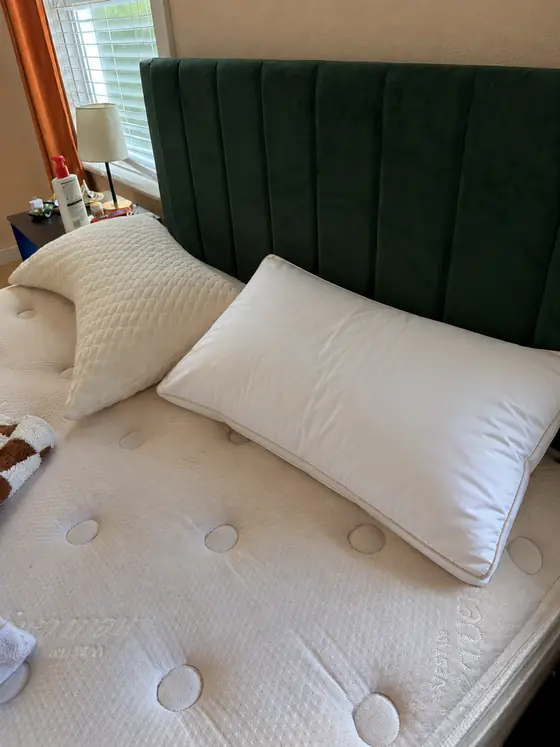
i switch between my back and side a lot and this pillow feels comfortable both ways. plush on top without going completely flat under my head.
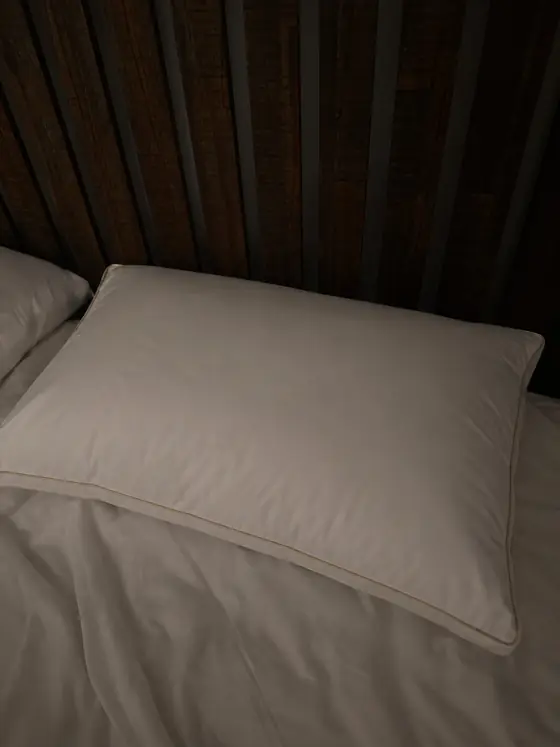
The outside feels smooth and cool when I first put my head down. I tried it briefly without a pillowcase and liked the feel, although I normally keep a case on it.
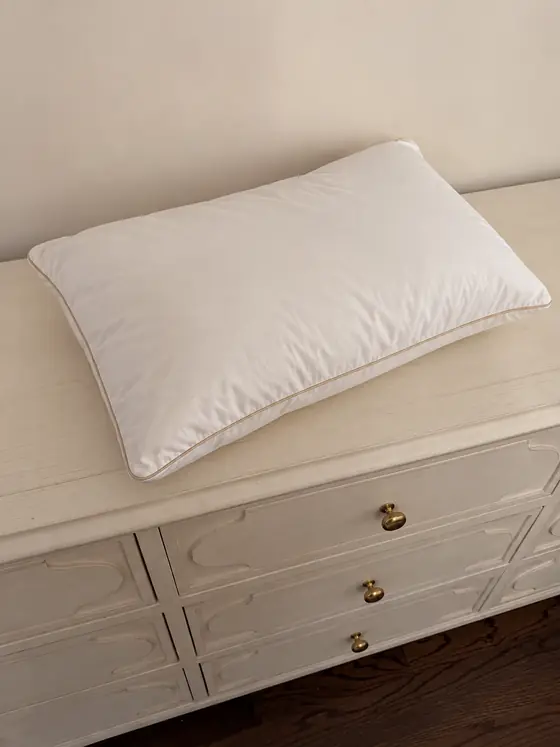
wasn't exactly careful the first time i washed this pillow, so i thought i'd ruined the fluffiness. after drying it fully and airing it out it plumped back up nicely, which was a relief.
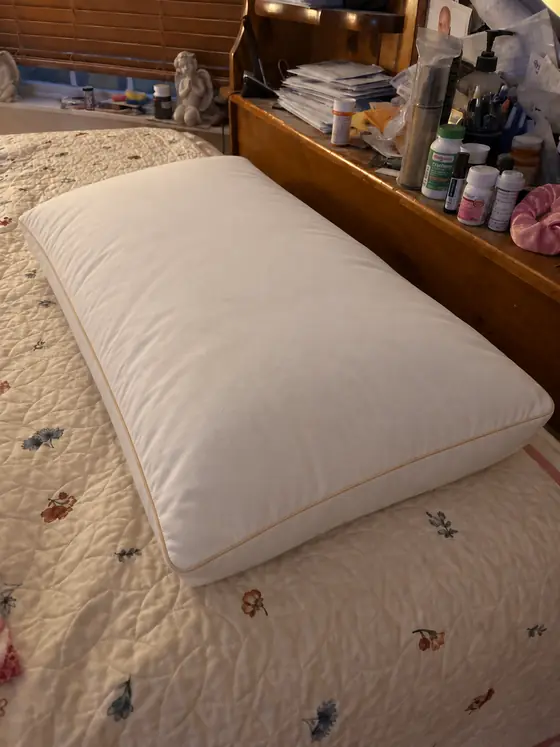
It reminds me of the pillows I always want to bring home from a hotel. Soft and full, but supportive enough that I don't keep folding it in half when I turn onto my side.
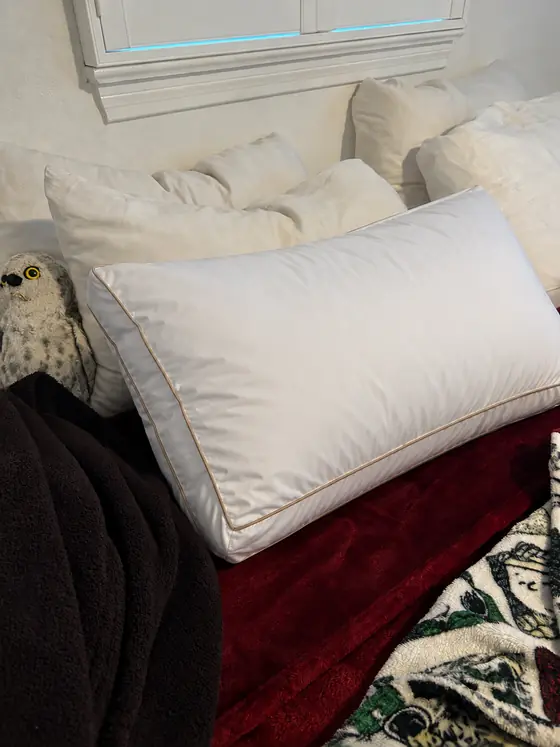
I've used this pillow for over a year and it still has a proper shape to it. It wasn't my cheapest bedding purchase, but not needing to replace it already makes it feel worth it.
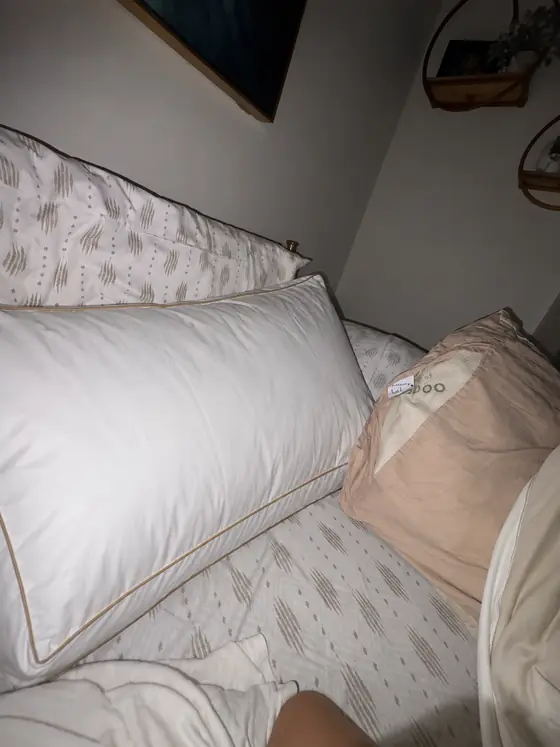
I wanted a plush pillow, not one my head would disappear into. This has that soft hotel feel while still giving me enough support on my back or side.
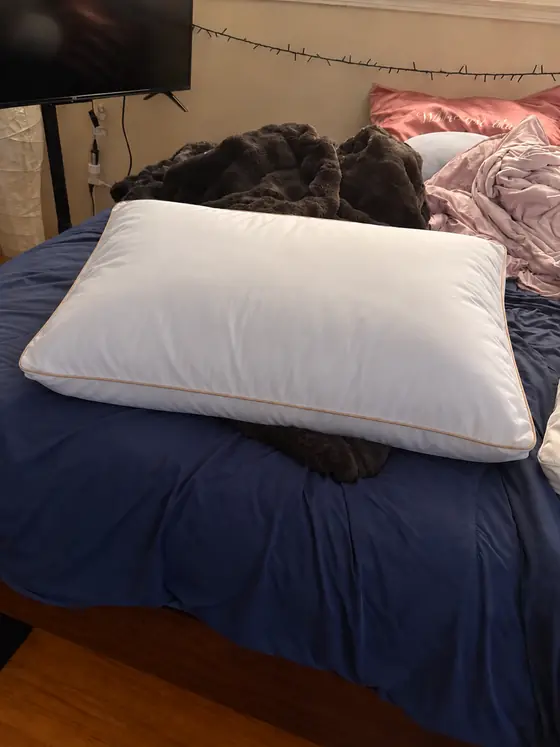
washed it and let it dry all the way through before giving it a good airing. it came back nice and fluffy, and still feels supportive instead of lumpy.
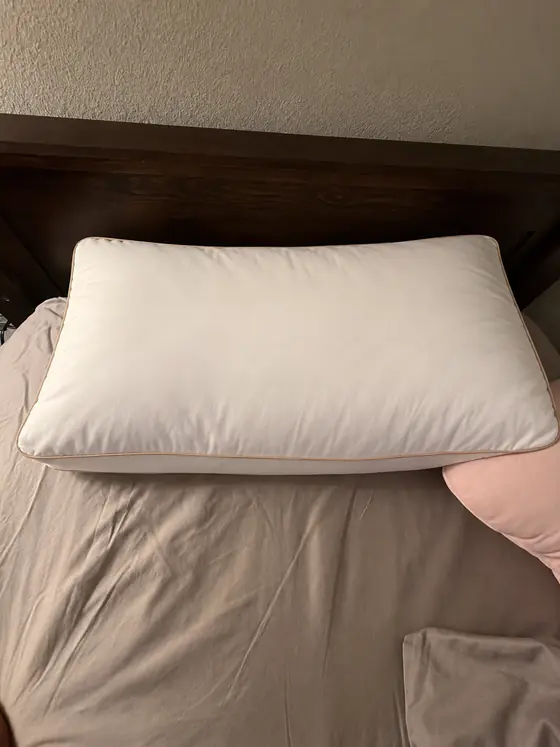
The pillow feels cool against my cheek when I first lie down, and I love how smooth the shell is. It's got a nice balance of squish and support for me as a side sleeper.